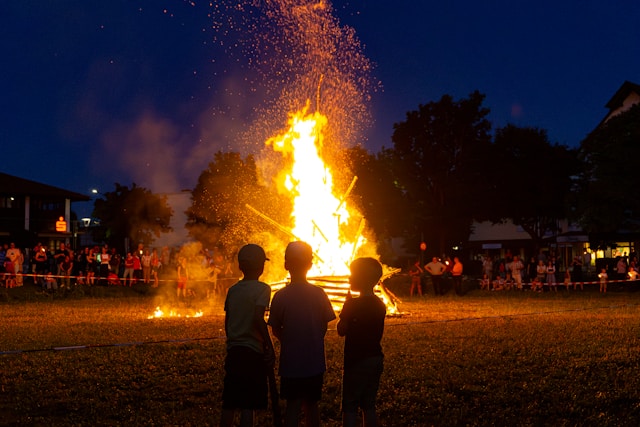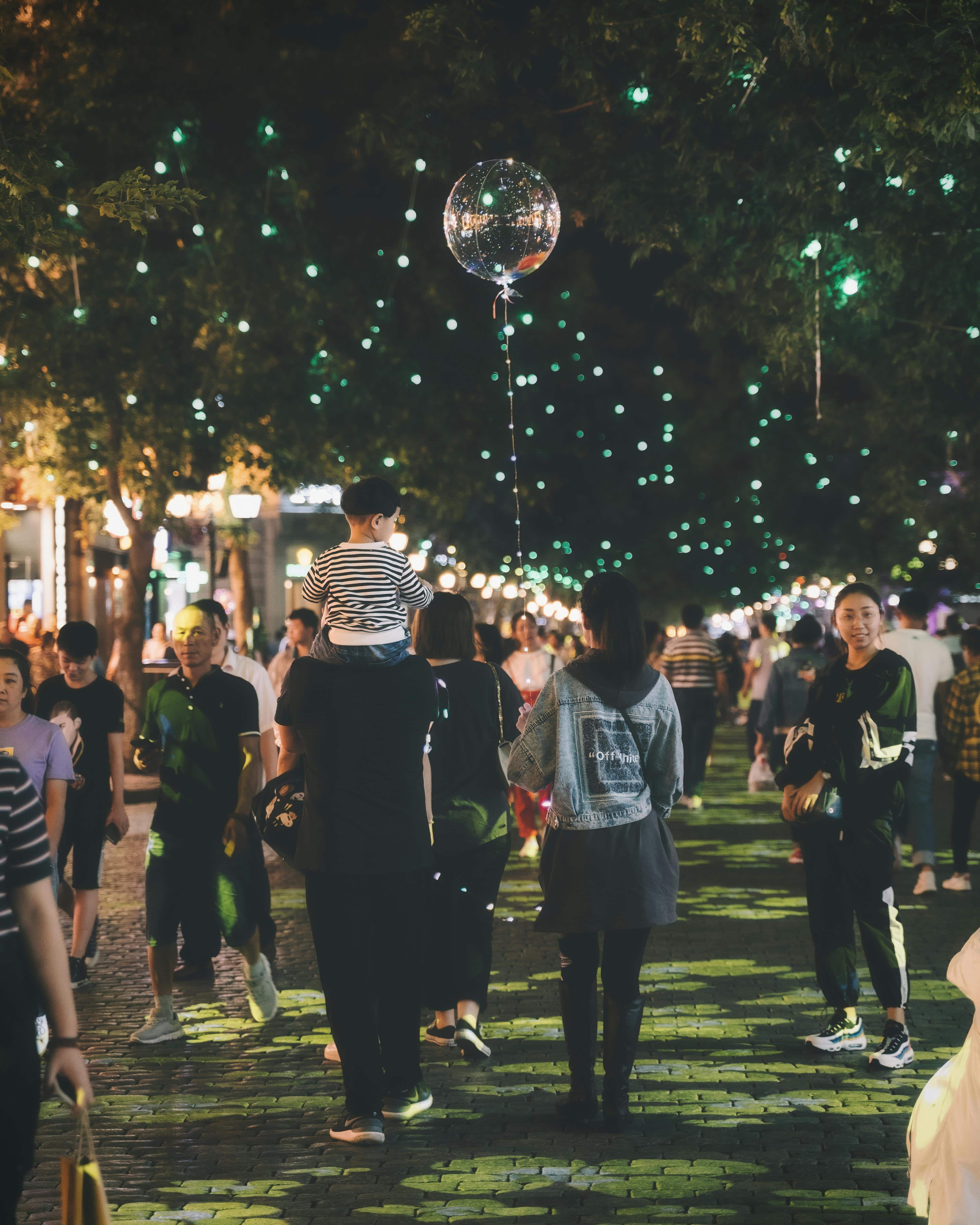

Outdoor events can be an exciting way to bring people together. They offer the space and scale to create something memorable and fun (weather permitting), especially during the warmer months. But hosting an outdoor event does come with a few extra things to think about. Whether you’re planning a community fair, food festival, outdoor performance or family fun day, careful planning can help make everything run much more smoothly. In our outdoor events guide, we take you through the key things to consider when planning an outdoor event.
Outdoor events guide
1. Start with a clear plan
Before deciding anything else, you should have a clear idea of what you’d like your event to look like. Are you hosting a small community gathering, a charity event, a corporate day or something open to the wider public?
Think about how many people you expect to attend, what activities will take place and whether you’ll need catering, entertainers, stallholders, staff or volunteers. Understanding the size and style of your event will make the rest of the planning process much easier. It’s also worth setting a budget as early as possible in the process.
2. Choose the right outdoor venue for your event
When selecting your venue, you should consider the number of people attending, practical details concerning toilets and parking, as well as accessibility to the event. Guests should be able to move around comfortably, with space to queue if you’ve got food vendors or stalls.
Ground conditions are also important. A field or open space may seem ideal in dry weather, but rain can quickly make some areas slippery or difficult to use. Also remember that if your event is taking place in a public space, you may need approval from your local authority.
Top tip: If you’re setting up marquees, gazebos, fencing or any equipment that needs to be fixed into the ground, make sure you understand the layout of the site. Ask the venue or local authorities about any underground services, such as water pipes or electrical cables, so you know which areas are safe to use and which should be avoided.
3. Make sure to check licenses and permissions in advance
Checking you’ve got the correct licenses and permissions to run your event is extremely important. This could apply if your event includes:
- Alcohol
- Live or recorded music
- Food stalls
- Raffles
- Road closures
- Fireworks
- The use of public land
The exact requirements will depend on your event and location, so it’s always best to check early on before you commit to anything. This will give you enough time to apply for any permits, speak to the venue or local authorities and avoid any last-minute issues.
4. Be sure to carry out a risk assessment
You can never be too prepared when organising an outdoor event and a risk assessment is one of the best ways to make sure you’ve thought through potential issues before the big day. While it may sound formal, it is really about making sure your event is as safe and well organised as possible.
For an outdoor event, common risks might include:
- Slips and trips
- Uneven ground
- Cables
- Temporary structures
- Moving vehicles
- Electrical equipment
- Food vendors
- Crowd movement
- Weather-related issues
Once you’ve identified the risks, you can put sensible measures in place to mitigate them.
5. Plan for bad weather
When organising an outdoor event, the weather is one of the biggest things to prepare for. Even in summer, conditions can change quickly, so it’s sensible to have a plan for rain, wind and unpleasant weather.
If rain is forecast, think about covered areas, suitable footwear advice, safe access routes and how the ground might hold up. If you’re using marquees, gazebos, banners or signage, make sure these are secured properly and suitable for the conditions.
6. Think about heatwave safety
The perfect weather for outdoor events may look like a bright and sunny day, but you should be careful when it gets too hot. This is especially important for family-friendly events, sporting activities, long queues or venues with limited shade.
Simple steps can make a big difference. Consider putting up shaded areas, rest points and providing access to drinking water, such as water bottle refill zones, where possible. You may also want to remind attendees before the day to bring water, hats and sun cream if the forecast is warm.
Staff and volunteers should know what to do if someone appears unwell in the heat. If your event includes physical activities, you may want to schedule them for cooler parts of the day or make adjustments if temperatures become uncomfortable.
7. Book suppliers and entertainment early
Booking the right suppliers and entertainment can make a huge difference to the success of an outdoor event. Think about whether you need:
- Caterers
- Performers
- Market traders
- Equipment hire
- Activity providers
- First aiders
- Security
The summer months are busy times for outdoor events, so it’s best to book suppliers as early as possible and letting them know beforehand when to arrive, where to set up and what facilities are available to them. Some suppliers may need power, water, parking or vehicle access.
8. Manage attendees on the day
Good attendee management can help your event feel calm, organised and enjoyable. Think about how people will enter and leave the site, where queues may form and how guests will find toilets, first aid, food areas and key activities.
Clear signage can make a big difference, especially at larger outdoor events. For family-friendly events, it’s also worth having a simple lost child procedure in place, so staff and volunteers know what to do if needed.
9. Consider what insurance you may need
Insurance can be an important part of organising your outdoor event and public liability insurance is one of the main types to consider. It can help protect you if a member of the public is injured or their property is damaged because of your event. Some venues, councils or landowners may also ask for proof of this before allowing your event to go ahead.
Depending on your plans, you may also want to consider employers’ liability insurance if staff or volunteers are involved, equipment cover if you’re using expensive kit or event cancellation insurance in case your event cannot go ahead due to circumstances such as terrible weather.
To make sure you have the right cover in place for your outdoor event, explore our range of specialist event insurance options and continue planning with peace of mind.
Planning an outdoor event FAQs
Insurance may not always be a legal requirement but putting a policy in place can help protect you, your organisation and your attendees if something doesn’t go to plan. Public liability insurance can help protect you if a member of the public is injured or their property is damaged in connection with your event. However, a small garden party may have different insurance needs from a large music festival, so don’t hesitate to contact our friendly team if you have any questions about what sort of cover is best for your event.
This depends on the size and scale of your event. A small community gathering may only need a few weeks of planning, while a larger public event could take several months. The earlier you start, the easier it will be to secure your venue, book suppliers and arrange permissions.
For hot weather, think about shade, drinking water, rest areas and clear advice before the event. It’s also important that staff and volunteers know what to do if someone becomes unwell in the heat.
The best way to power an outdoor event will depend on the size of the event, the equipment being used and what facilities are already available at the venue. Some outdoor venues may have access to mains electricity, while other may require temporary power such as generators or battery units.
Before the event, speak to your suppliers to understand exactly what power they need and make sure any electrical setup is safe, suitable for outdoor use and protected from the weather.